
St. Louis Park Sewer & Drain Cleaning
St. Louis Park's postwar building boom was concentrated: roughly 60% of the city's homes were reportedly built in that late-1940s-to-early-1950s stretch, with Census-derived estimates putting the median construction year around the early 1960s. That means a lot of original sewer laterals are now 60 to 80 years old — and a remodeled kitchen or bathroom doesn't tell you anything about the pipe still running under the yard. Hiawatha Sewer has spent three generations on exactly this kind of Twin Cities housing stock.
Tree roots at the joints. St. Louis Park's established neighborhoods have mature trees with root systems that reach under yards, boulevards, and streets. Roots don't get through intact pipe — they get in through a crack, a loose joint, or another opening where moisture is available, which is exactly what an aging, jointed sewer lateral offers over time. The pattern is familiar: a main line that clogs repeatedly, several drains slowing down together, a toilet that bubbles when another fixture drains, or relief from cleaning that doesn't last.
Cracked or deteriorated laterals. The City actively rehabilitates aging sections of its own sewer mains using trenchless lining — a sign that pipe deterioration is a known issue in St. Louis Park's older infrastructure generally. What that means for a private lateral can only be confirmed with an inspection, since condition and material vary home to home.
Groundwater and wet-weather backups. Cracks, separated joints, and other openings can let groundwater into a sewer lateral. That kind of defect often shows up more clearly during spring thaw or a stretch of heavy rain, because it raises the water table against a weak spot that was already there.
Settled or "bellied" lines. Ground settlement, old backfill, and Minnesota's freeze-thaw cycle can all shift an underground pipe enough that part of it loses its slope. Wastewater and solids then collect in that low section instead of continuing to the main, which shows up as slow drainage that keeps returning no matter how often the line gets cleaned.
Why St. Louis Park Homes Back Up
Whose Line Is It?
St. Louis Park single-family property homeowners are responsible for everything in the sewer service from inside the home out to and including its connection with the main in the street — which means a blockage under the boulevard can still be the homeowner's to fix. Work that extends into the public right-of-way (street, boulevard, sidewalk) requires a city permit; we handle that coordination as part of the job when a repair calls for it.
We restore drainage first, then figure out whether the situation calls for anything more.
Main sewer line cleaning clears the immediate clog — roots, buildup, debris — and gets the line flowing again.
Sewer camera inspection tells us what's actually happening inside an older lateral: a root clog versus a cracked joint, an offset, or a low belly. We bring one in when a problem keeps recurring or before recommending a repair — not as a standard add-on to every call.
Hydro jetting scours the full pipe rather than punching a path through the clog, which matters on an older clay lateral with roots working in at multiple joints. We evaluate the line first and tailor the pressure to what it can handle.
Sewer line repair & lining is for when cleaning isn't enough — a cracked joint, a structurally compromised section, a belly that keeps collecting debris. We use trenchless lining where the pipe's condition allows it, and we'll tell you plainly when it doesn't (a liner follows the pipe's existing shape, so it won't fix a line that's lost its slope).
How We Help
Frequently Asked Questions
-
Possibly, yes. The City holds single-family homeowners responsible for the sewer service line from inside the home out to and including its connection with the main in the street — so a blockage under the boulevard can still fall on the homeowner rather than the City. We can help determine which side of that line a problem is on.
-
If the same clog keeps returning, cleaning is treating the symptom, not the cause. Roots regrow, and a cracked or separated joint will keep letting them back in no matter how many times the line is cleared. A camera inspection shows what's actually happening inside the pipe so we can recommend maintenance, a spot repair, or lining instead of the same cleaning on repeat.
-
If the repair extends into the public right-of-way — the street, boulevard, or sidewalk — yes, the City requires a permit for that work. We handle that coordination as part of the job when it applies.
-
Yes. The city's older neighborhoods combine mature trees with sewer laterals that are now 60 to 80 years old in many cases. Roots reach in through cracks and loose joints rather than through intact pipe, which is exactly the condition an aging, jointed lateral eventually develops.
-
Where the pipe's condition allows it, yes — trenchless lining fixes a cracked or failing section without excavating the whole yard. A pipe that's lost its slope or collapsed generally still needs traditional excavation; we'll tell you honestly which one applies after we've looked at your line.
-
It depends on what's actually wrong with the line — a straightforward clog costs less to clear than a repair or trenchless lining job. We give you a clear price before any work begins, and we start with the simplest fix that solves the problem rather than jumping to the most expensive option.
A Real St. Louis Park Job
On one St. Louis Park call, the basement floor drain itself had rusted shut over the years — it had to be reopened before we could even get a cable down into the line. That's not unusual in a home where the drain hardware is as old as the pipe underneath it.
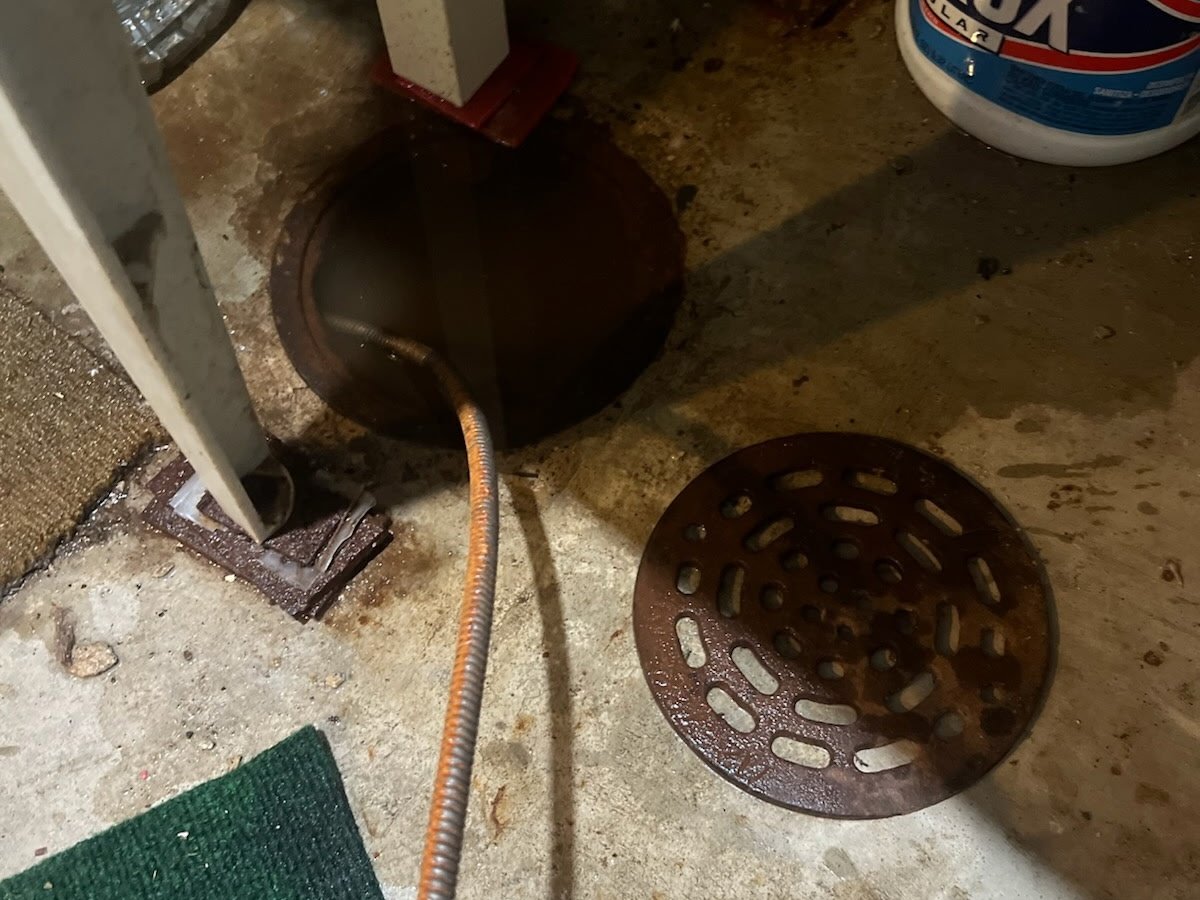
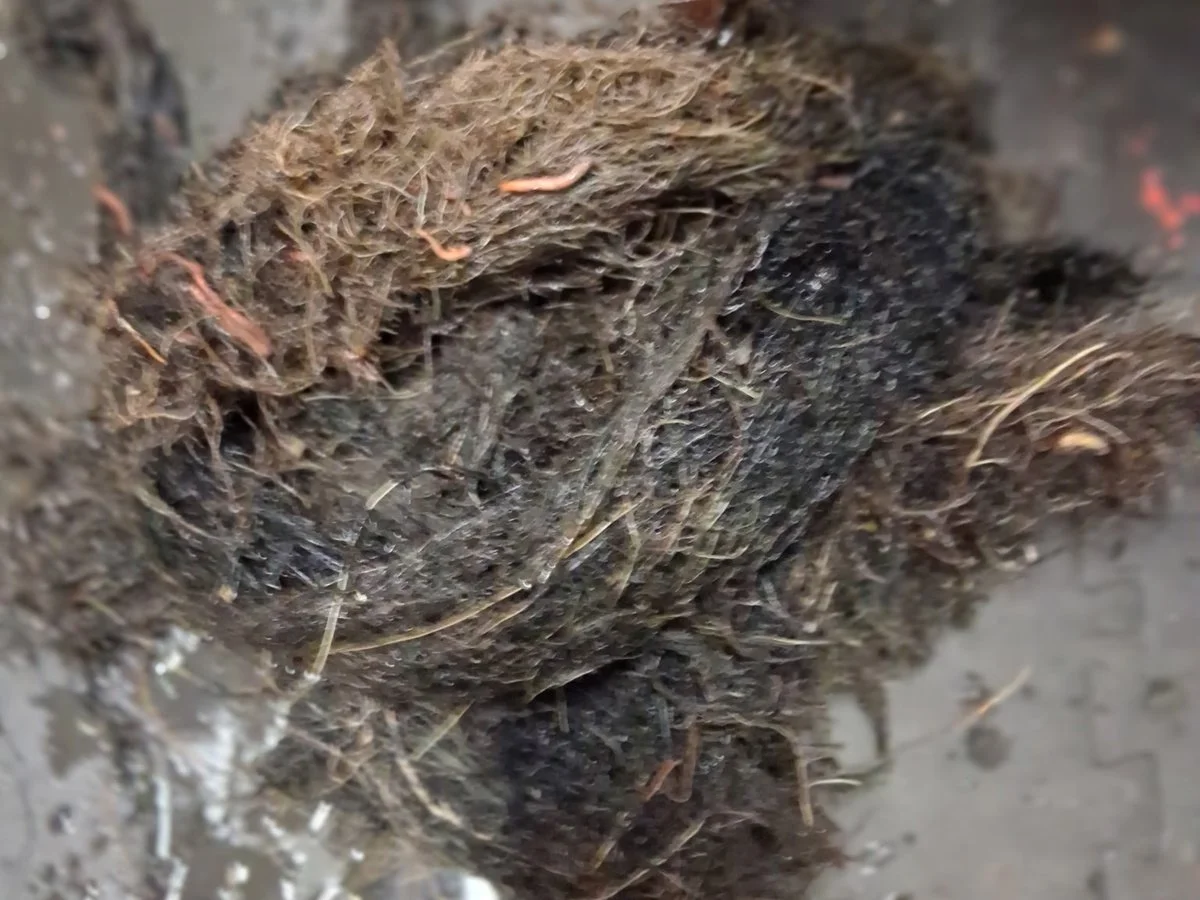
Once we were in, we found exactly what we expected on an original clay lateral: a heavy mass of roots, pulled clear from the line in one piece. Clearing the roots restored drainage — the same job we do regularly on St. Louis Park's older laterals, and a good example of why a rusted-shut access or a stubborn clog is worth a technician who's seen it before, not a reason to put off the call.
Call for Service in St. Louis Park
If sewage or wastewater starts backing up in your St. Louis Park home, avoid using toilets, faucets, showers, dishwashers, and washing machines until the line can be checked. Call us or fill out the Request Service form, and we’ll diagnose the cause and clear the backup.
Homeowners who have dealt with repeated backups can also ask us about a code-compliant backwater valve. Whether one will work correctly depends on the home’s existing plumbing and basement configuration, so it is best to talk through the options first.