
When a Sewer Line Needs More Than a Cleaning
Some sewer problems can't be solved by clearing the line. If your main line backs up every few months no matter how many times it's cleaned, the real issue usually isn't the clog — it's the pipe itself. Cracks, root intrusion at a joint, a collapsed section, or an old failing pipe will keep causing backups until the line is repaired.
Hiawatha Sewer diagnoses and repairs main sewer lines across the Minneapolis–St. Paul metro. We're a third-generation sewer company, and we'll tell you honestly whether your line needs a repair, a section fixed, or a full replacement — based on what we actually find, not a guess. Call us at 612-722-2212.
Backups that keep coming back after the line has been cleaned
Roots that regrow quickly — a sign they're entering through a damaged joint or crack
Sewage odors in the yard or basement
Wet or sunken spots in the yard along the path of the line
Multiple fixtures backing up together, repeatedly
An older home with clay, cast iron, or Orangeburg pipe that's reaching the end of its life
Signs Your Sewer Line May Need Repair
Root intrusion at joints and cracks. Roots don't just clog a line — they pry joints apart and widen cracks, so the damage gets worse over time.
Age and material. Clay and cast iron corrode and crack with age. Orangeburg (a tar-paper pipe used mid-century) deforms and collapses. Many older Twin Cities homes still have these.
Ground shifting and settling. Soil movement can crack pipe, separate joints, or create a low spot.
Bellies (sags). A section that has settled into a dip collects waste and backs up repeatedly, even when the pipe itself isn't broken.
Collapse. A fully failed section blocks flow entirely.
Why Sewer Lines Fail
We Start With a Camera, Not a Shovel
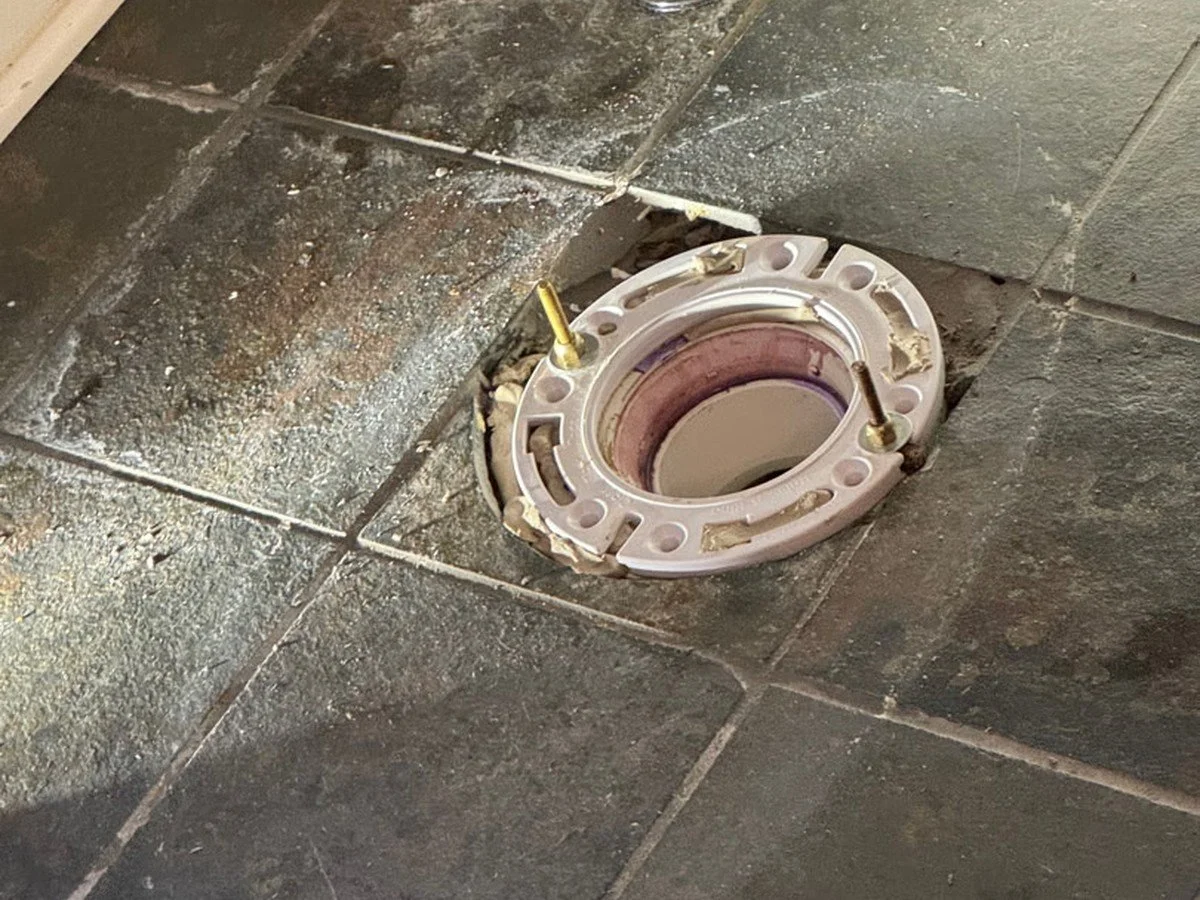
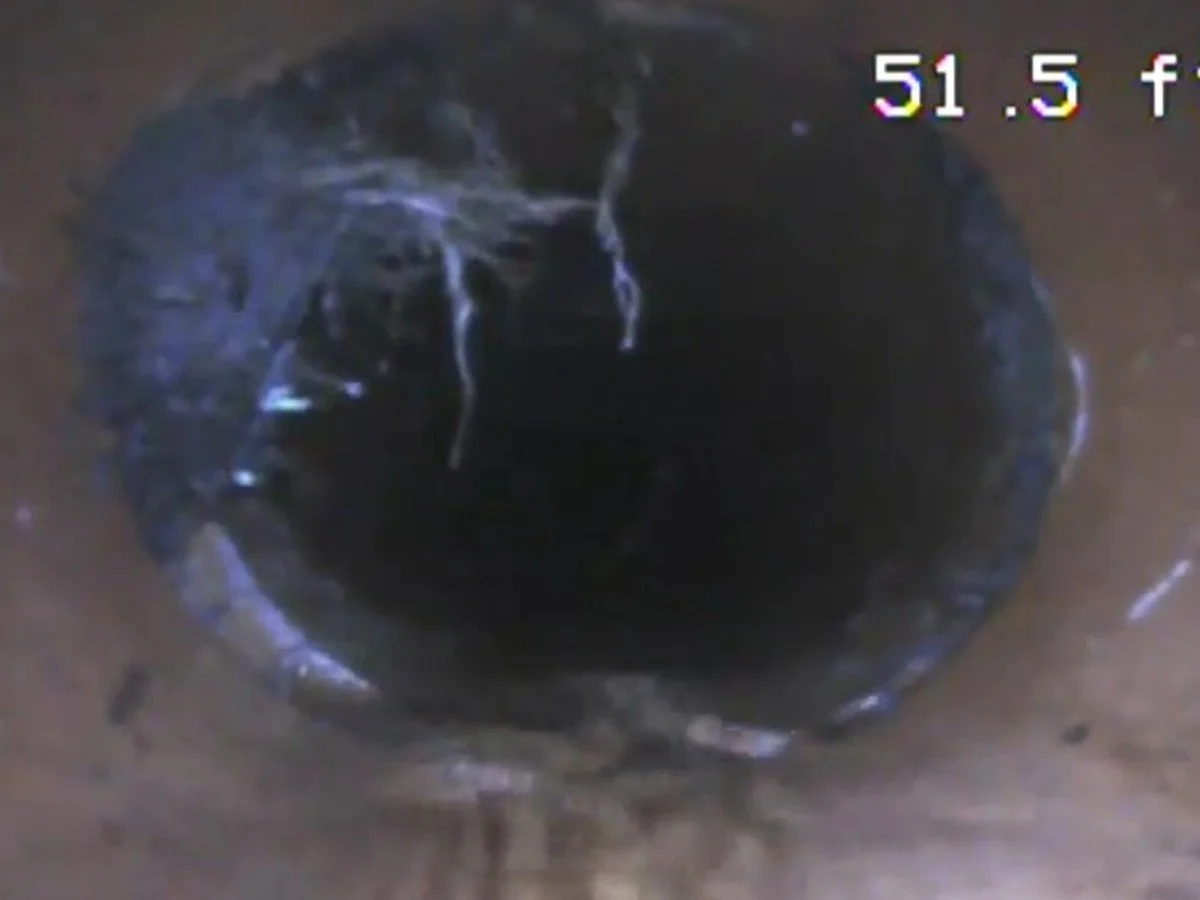
We don't jump to a repair. When a line needs more than a cleaning, the next step is to find out exactly what's wrong before anyone starts digging — and that's what a camera inspection is for. It shows the type of damage, its location, and its depth, which tells us whether the line can be repaired without tearing up your yard, which method fits, and where the work needs to happen. We'll show you what we found and explain your options in plain terms.
Your Repair Options
The right method depends on the condition of the pipe. There's no single answer — that's why we diagnose the line before choosing a method.
Trenchless Pipe Lining (CIPP)
For a pipe that's cracked or letting roots in but is still structurally mostly intact, pipe lining is often the least disruptive fix. A resin-saturated liner is inserted into the existing pipe and cured in place, forming a smooth, jointless "pipe within a pipe." Because it works through existing access points, it usually avoids tearing up your yard, driveway, or landscaping. The new interior also gives roots nothing to grab onto.
Trenchless Pipe Bursting
When a line is more badly damaged or collapsed but the path can still be followed, pipe bursting pulls a new pipe through while breaking the old one outward. It replaces the line with minimal digging — typically just access pits at each end rather than a full trench.
Traditional Excavation & Replacement
Some situations genuinely require digging: a fully collapsed section, or a belly (a sagging low spot). This is an honest limit of trenchless methods — a liner or a burst pipe follows the existing slope, so neither can fix a pipe that has sagged into a dip. Correcting a belly means excavating and re-grading that section. When that's what your line needs, we'll tell you plainly rather than sell you a fix that won't hold.
How We Approach a Repair
Camera inspection to identify the damage, location, and depth.
We explain what we found and which method actually fits your line, and why.
We give you honest options, including when a less expensive section repair will do and when it won't.
We complete the repair and verify the result.
No scare tactics, no pushing the most expensive option by default. The goal is a line that stops backing up — done in the way that makes sense for your pipe.
What Affects the Cost of a Sewer Line Repair
Every line is different, so we diagnose before quoting. The main factors are:
The method the pipe can support (lining, bursting, or excavation)
The length of pipe affected
The depth and accessibility of the line
Whether the fix is a spot repair or the full run
Surface conditions (landscaping, driveway, concrete) over the work area
A camera inspection is what turns these from unknowns into an accurate estimate.
Areas We Serve
Hiawatha Sewer provides sewer line repair and lining in Minneapolis, St. Paul and the surrounding communities, including Roseville, Bloomington, Richfield, St. Louis Park, Golden Valley, New Brighton, Fridley, Columbia Heights, Falcon Heights, Robbinsdale, Crystal, Hopkins, and Edina.
Frequently Asked Questions
Can a sewer line be repaired without digging up my yard?
Often, yes. Trenchless methods like pipe lining and pipe bursting repair or replace the line through existing access points, which usually avoids a full trench across your yard. Whether trenchless will work depends on the condition of the pipe, which a camera inspection determines.
What's the difference between pipe lining and pipe bursting?
Lining installs a new liner inside your existing pipe — best when the pipe is cracked or letting roots in but still mostly intact. Bursting pulls a whole new pipe through while breaking the old one apart — used when the line is too damaged or collapsed to line. The camera inspection tells us which your line can support.
Why does my sewer line keep backing up even after cleaning?
Repeated backups after cleaning usually mean the pipe itself is damaged — a crack, a separated joint where roots reenter, a belly, or a collapsing section. Cleaning clears the blockage but doesn't fix the cause, so it returns until the line is repaired.
Can trenchless lining fix a sagging or bellied pipe?
No. A liner and a burst pipe both follow the existing slope of the line, so neither corrects a belly (a sagged low spot). Fixing a belly requires excavating and re-grading that section. We'll tell you honestly if that's what your line needs.
How do I know if I need a repair or a replacement?
It comes down to how much of the line is affected and how badly. A localized crack may only need a section repaired or lined; a line that's collapsed or failing along its length may need replacement. A camera inspection shows the extent so you're not guessing.
How long does a sewer line repair take?
It depends on the method and the extent of the damage. Trenchless repairs are often completed faster and with far less disruption than a full excavation. We'll give you a realistic timeframe once the camera shows what we're working with.
Call Hiawatha Sewer for Sewer Line Repair
If your sewer line keeps backing up no matter how many times it's cleaned, the problem is usually the pipe itself — a crack, a root-filled joint, or a failing section. That won't fix itself, but it often can be repaired without tearing up your yard.
Hiawatha Sewer diagnoses the line with a camera first, then gives you honest options — trenchless lining or repair where it fits, excavation only when it's truly needed. Third generation, since 1947.
Call now or fill out the Request Service form and we'll get you scheduled.